admin
admin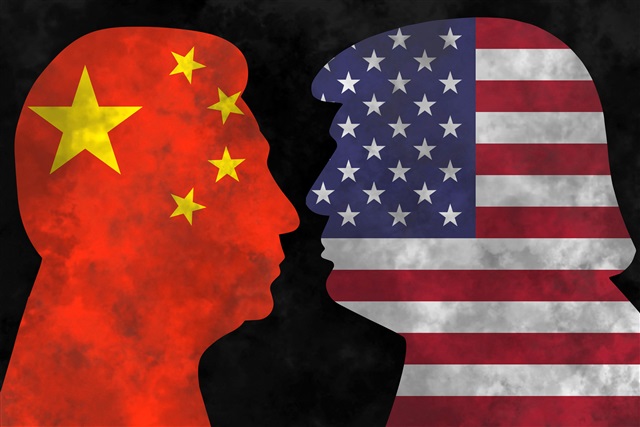
As of April 17, 2025, Malaysia is navigating significant developments in global trade tariffs, particularly concerning recent U.S. policies.
U.S. Tariff Measures and Malaysia’s Position
On April 2, 2025, U.S. President Donald Trump announced “reciprocal” tariffs, imposing a 24% duty on Malaysian exports to the U.S. However, a subsequent 90-day pause was granted for countries that refrained from retaliatory actions, reducing tariffs to a baseline 10% during this period. Malaysia has chosen not to implement countermeasures, instead advocating for a coordinated ASEAN response and engaging in diplomatic negotiations with the U.S.
Economic Implications for Malaysia
Bank Negara Malaysia has indicated that while the new tariffs could impact economic growth, the nation’s diversified economy—where the service sector constitutes 60% of GDP—should help mitigate adverse effects. The central bank is awaiting further clarity on tariff developments before revising its 2025 economic outlook, which currently projects growth between 4.5% and 5.5%.
Industry Response
In Muar, Johor—a hub for Malaysia’s furniture exports—manufacturers are expediting shipments to the U.S. to capitalize on the temporary 10% tariff window. Companies like Corporate Specialist and Natural Signature have significantly increased production to meet demand, with concerns that higher tariffs post-pause could lead U.S. buyers to seek alternatives.
Regional Diplomacy
Amid escalating U.S.-China trade tensions, Chinese President Xi Jinping is visiting Malaysia, Vietnam, and Cambodia from April 14–18, 2025. The visit aims to strengthen diplomatic and economic ties with Southeast Asian nations affected by U.S. tariffs, with discussions likely focusing on enhancing regional cooperation and exploring alternative trade partnerships.
🔥 Escalation of Tariffs
- United States: President Donald Trump has increased tariffs on Chinese imports to an effective rate of 145%, citing unfair trade practices.
- China: In retaliation, China has imposed 125% tariffs on U.S. goods and suspended exports of critical minerals and magnets essential to various industries.
📉 Economic Impact
- Global Trade: The World Trade Organization projects an 80% decline in U.S.–China merchandise trade for 2025, signaling a shift towards separate global trade blocs. Axios
- China’s Economy: Despite a 5.4% GDP growth in Q1 2025, China’s economy faces challenges from the tariff shock, leading to downward revisions of growth forecasts. Reuters
- United States: U.S. exports to China are expected to decline rapidly, potentially tipping the U.S. into a mild recession. The Guardian
🧠 Technology and National Security
The U.S. has restricted exports of advanced AI chips to China, impacting companies like Nvidia and AMD, which face significant financial losses due to unsellable inventory.
🌐 Global Repercussions
The trade conflict has led to increased global economic uncertainty, with the WTO warning of a potential 0.2% decline in global trade for 2025, which could deepen if tariffs are fully reinstated.