admin
admin
Expanding your investment portfolio is a great way to diversify and potentially increase your returns. Here are some investment options you can consider:
Stocks
- Blue-Chip Stocks: Large, well-established companies with a history of stable earnings (e.g., MBBANK, PBBANK, IOICORP, etc).
- Growth Stocks: Companies expected to grow at an above-average rate compared to other companies (e.g., PHARMA, SUPERMX, CYPARK, etc).
- Dividend Stocks: Companies that pay regular dividends (e.g., TNB, AXIATA, HLBANK, etc).
Bonds
- Government Bonds: Issued by governments (e.g., MGS, MTB).
- Corporate Bonds: Issued by companies to raise capital (e.g., bonds from large corporations like Petronas or Sunway)
- Municipal Bonds: Issued by states, cities, or counties to fund public projects (not available in Malaysia).
Mutual Funds and ETFs
- Index Funds: Track a specific index like the S&P 500.
- Sector Funds: Focus on specific sectors (e.g., technology, healthcare).
- International Funds: Invest in foreign markets.
Real Estate
- Real Estate Investment Trusts (REITs): Companies that own, operate, or finance income-producing real estate.
- Direct Property Investment: Buying physical properties to rent or sell.
Commodities
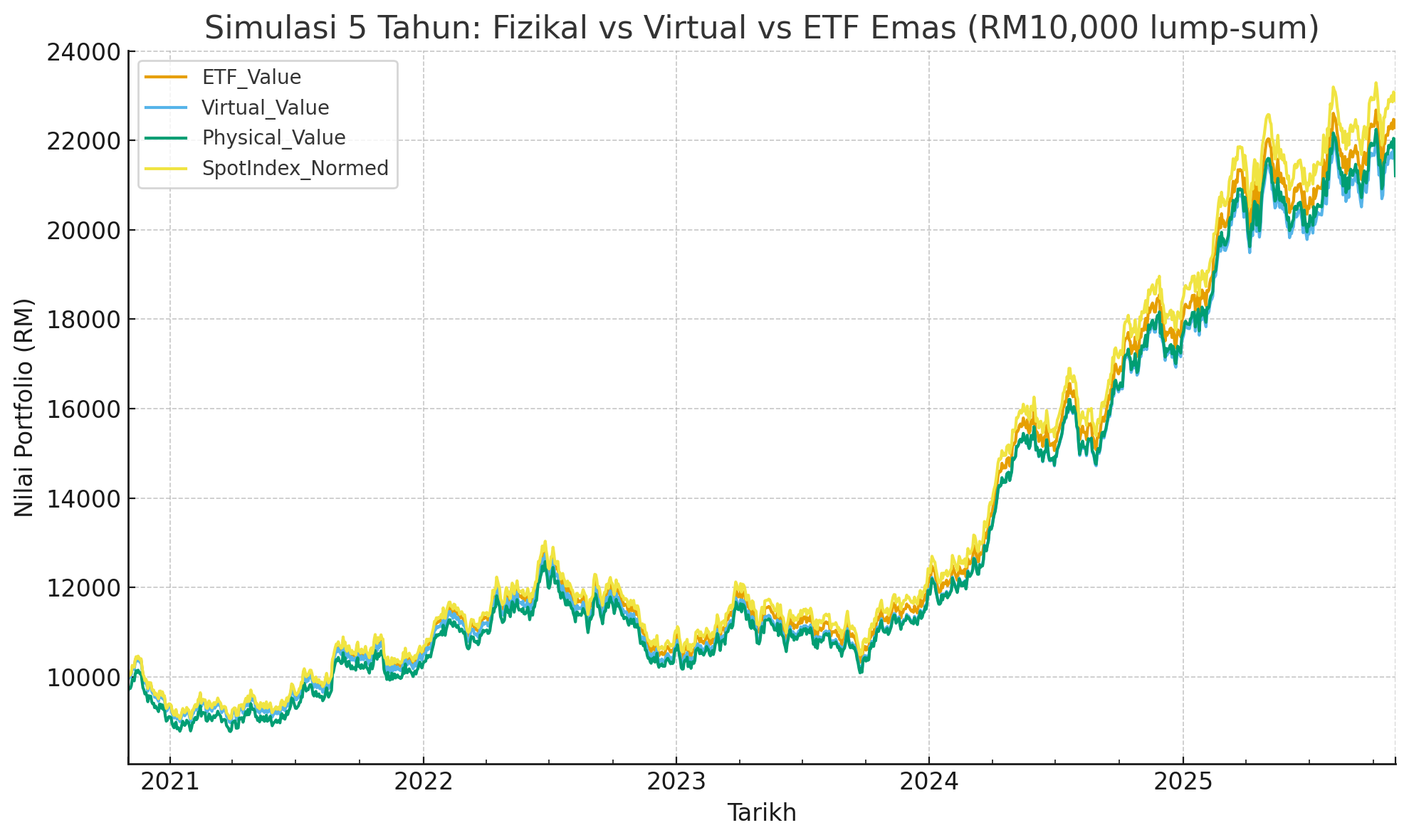
- Gold and Silver: Precious metals often seen as a hedge against inflation.
- Oil and Gas: Investments in energy commodities.
Alternative Investments
- Cryptocurrencies: Digital currencies like Bitcoin and Ethereum.
- Private Equity: Investments in private companies.
- Hedge Funds: Investment funds that use pooled funds and employ different strategies to earn active returns.
Cash and Cash Equivalents
- Money Market Funds: Low-risk mutual funds that invest in short-term, high-quality investments.
- Certificates of Deposit (CDs): Time deposits with banks that offer a fixed interest rate.
Diversification Strategies
- Buy and Hold: Investing in stocks or funds and holding them for the long term.
- Dollar-Cost Averaging: Investing a fixed amount of money at regular intervals, regardless of market conditions.
- Market Timing: Attempting to predict market highs and lows to buy low and sell high (note: this is risky and often not recommended for most investors).