admin
admin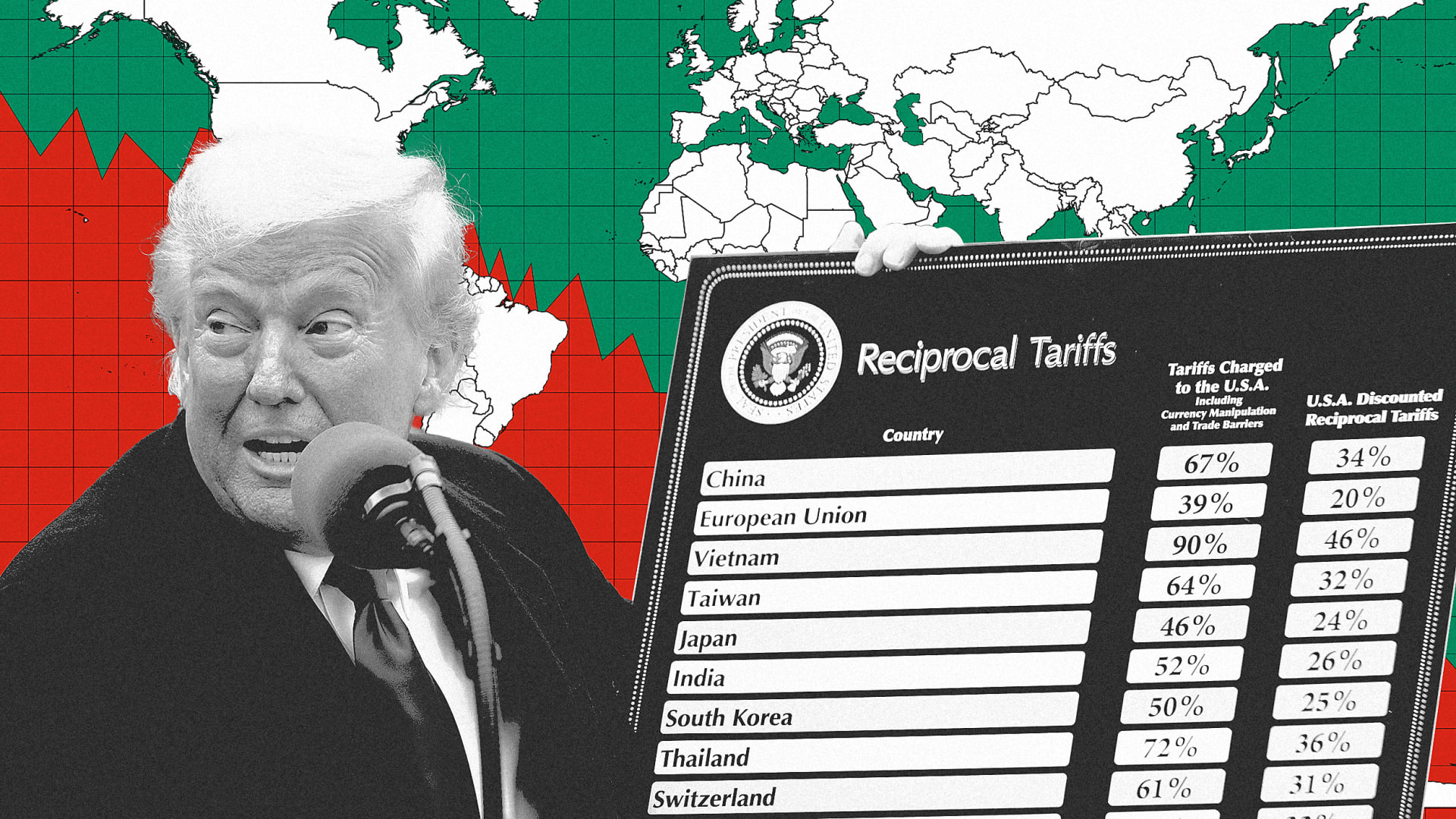
What just happened:
- Trump slapped a 10% tariff on all U.S. imports globally (effective April 5).
- On China specifically, he raised tariffs to 125% (brutal).
- China retaliated with a 34% tariff on all U.S. goods + export controls on rare earths (which are critical for tech).
🌐 Global Economic Impact
| Sector | Impact |
|---|---|
| Trade | Global trade will slow down. Countries are already preparing for shipping delays, supply chain rerouting, and cost increases. |
| Manufacturing | Manufacturers worldwide will face input cost increases (especially electronics, machinery, autos). |
| Emerging Markets | Countries like Vietnam, Mexico, and India might benefit as companies scramble to move production out of China. |
| Commodities | Prices for metals, food, and energy could spike — especially with China’s rare earths restrictions. |
| Currency Markets | Safe havens like the U.S. dollar, Japanese yen, and Swiss franc will strengthen; emerging market currencies may fall. |
💼 Investor Impact
| Area | Impact |
|---|---|
| Stock Markets | Volatility will increase. Defensive sectors (healthcare, utilities) might outperform; tech, industrials, and consumer discretionary could get hit. |
| Bonds | Uncertainty often drives investors into U.S. Treasury bonds (lower yields, but safer). |
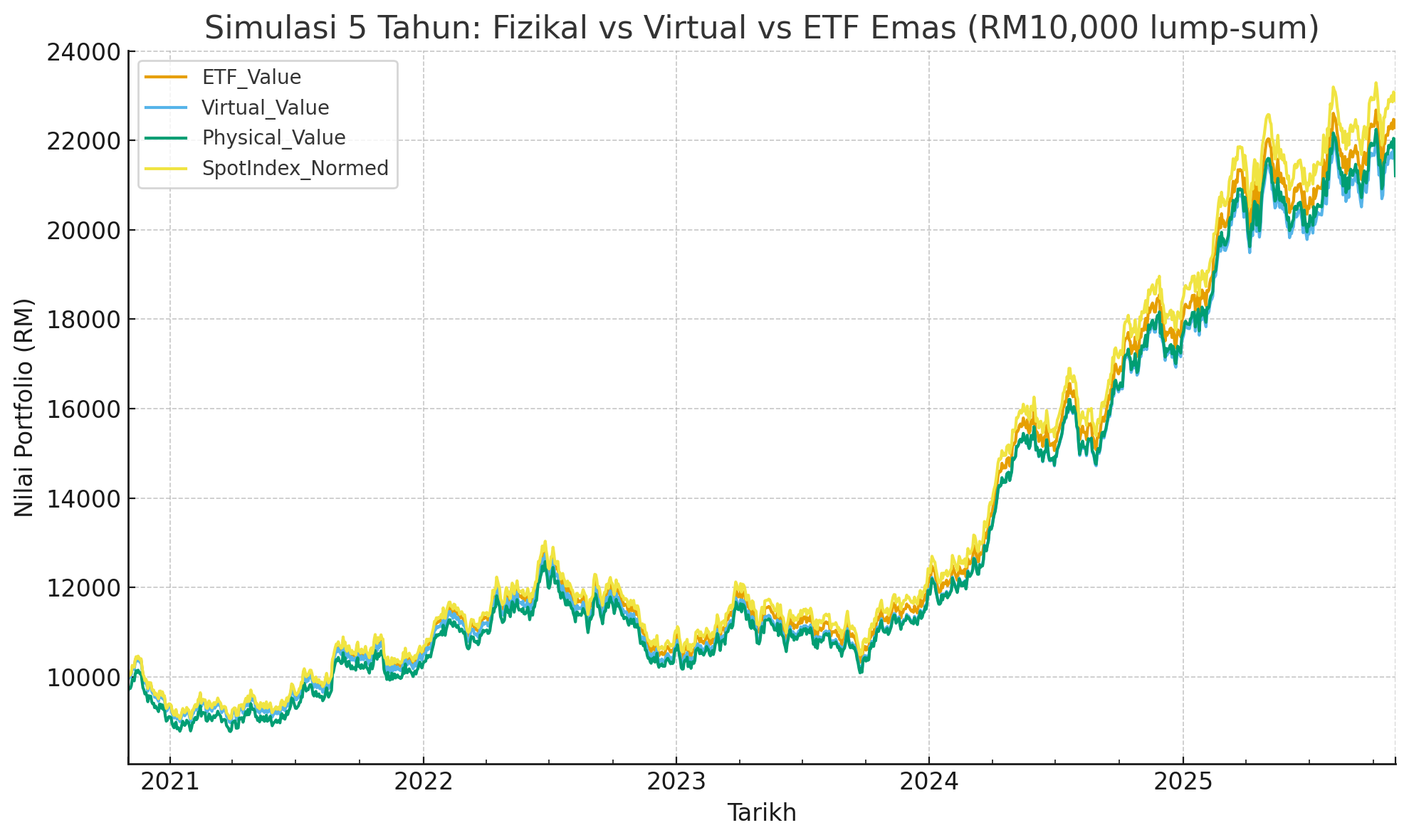
| Commodities | Gold will likely rally as a safe haven. Industrial metals (copper, aluminum) might spike short-term but suffer later if growth slows. |
| ETFs/Regional Exposure | Look for Vietnam (VNM), Mexico (EWW), and India (INDA) ETFs to benefit as production relocates. |
| Corporate Earnings | Companies that rely heavily on global supply chains (Apple, Nike, Tesla) will feel margin pressure from costlier parts and materials. |
| M&A Activity | Expect mergers and acquisitions in alternative supply chain industries — logistics, manufacturing, rare earth mining. |
Quick visual:
📈 Winners: Defense, infrastructure, energy, Vietnam/Mexico/India markets
📉 Losers: Consumer goods, electronics, automakers, global tech firms
🛒 Consumer Impact
| Consumer Area | What Happens |
|---|---|
| Prices | Expect higher prices on electronics, clothes, cars, home appliances — almost everything imported will cost more. |
| Availability | Shortages of certain goods could appear, especially if rare earths exports are choked. |
| Wages and Jobs | Some American manufacturing jobs may grow (good news), but inflation eats into real wages (bad news). |
| Investment Products | ETFs and mutual funds may be more volatile, so cautious investors might shift into defensive assets (like dividend stocks, bonds, or gold). |
🚀 Quick Moves for Investors
(if you’re thinking tactically):
- Add a little gold (GLD or physical) to hedge.
- Pick up industrial or infrastructure ETFs (PAVE, XLI).
- Invest in emerging markets that are China alternatives (VNM, EWW, INDA).
- Reduce exposure to companies extremely dependent on China exports.
- Stay cash-heavy if you want flexibility — volatility = opportunities.